Implementation

AZ-ASCEND is an Arizona-based Antimicrobial Stewardship Protocol (ASP) that uses standardized infection definitions to guide culturing and prescribing practices, administrative engagement, staff education, and regular data feedback.

How can I implement this program?

AZ-ASCEND is an Arizona-based ASP. This program may be implemented in a single facility, across Arizona’s 146 SNFs, or on a national level. The AZ-ASCEND protocol emphasizes three key objectives of ASP implementation: 1) engagement with a multidisciplinary team, 2) training and education on effective antimicrobial usage, and 3) data feedback to isolate and target tangible areas for improvement.

Mobirise

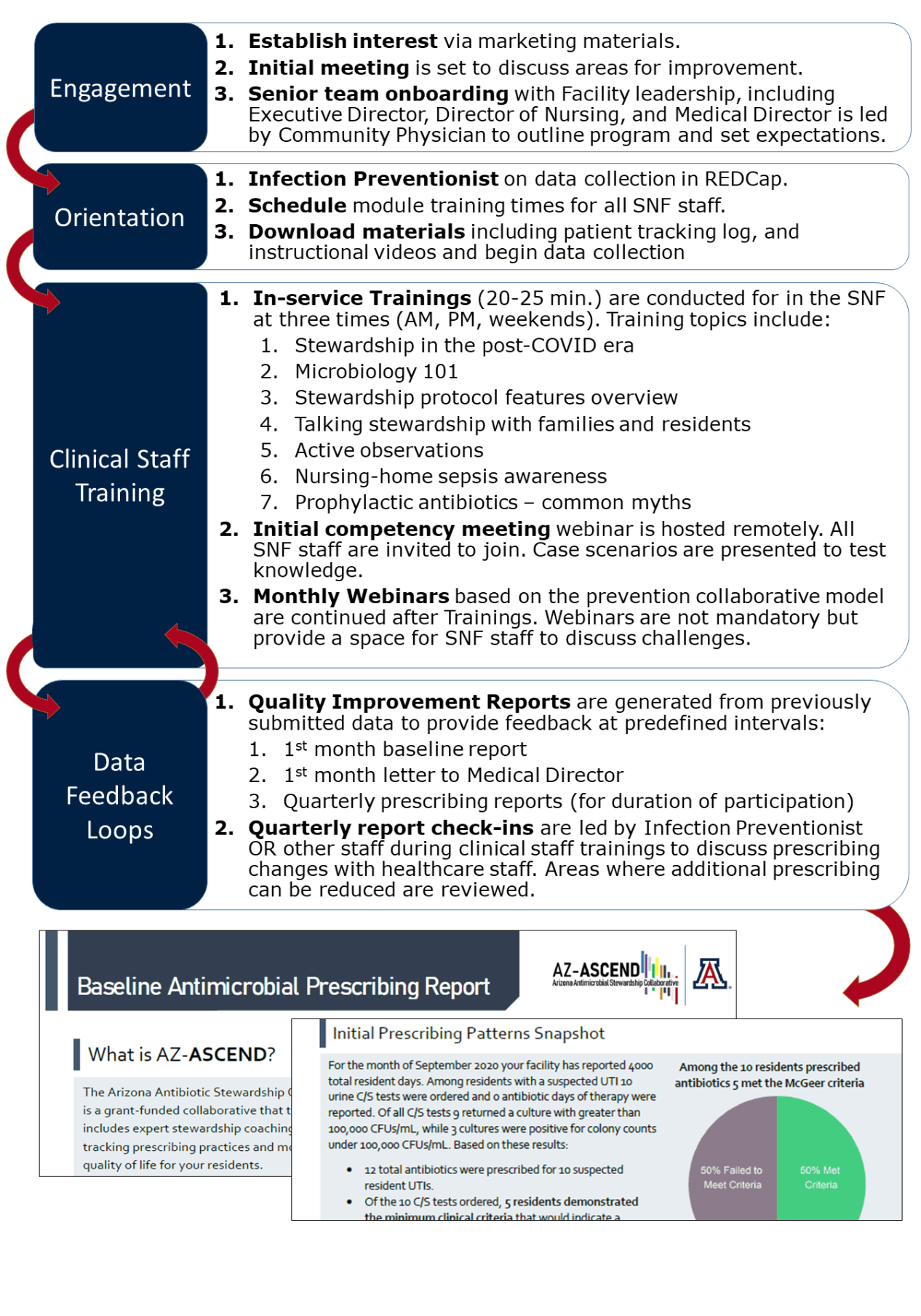
Figure 1. AZ-ASCEND Implementation Sequence

During the Engagement phase, a SNF Infection Preventionist or AZ-ASCEND Coordinator will initiate dialog with SNF leadership. SNF leadership are educated on CMS requirements and facility benefits. Expectations and program timeline are outlined. A designated staff person is assigned to lead monthly data aggregation and report dissemination.

Clinical training and data feedback are implemented in parallel (Figure 1). During Clinical Training staff receive 20-25-minute in-services remotely or in-person. Trainings are available via pre-recorded webinars or can be conducted interactively using our publicly available slide set. Biweekly training topics are consolidated into a review of active observation as an alternative to empiric antibiotics, myths associated with prophylactic antibiotics, and stewardship in a post-COVID era. Follow-up modules are hosted remotely to test knowledge and discuss ASP challenges.

Data Feedback reports are populated using facility-wide metrics including C. Difficile orders, ESBL producing isolates, and resident-based medical activities including UTI cultures ordered, antibiotics prescribed, and clinical symptoms. Data populate feedback reports – including an initial prescriber letter, an initial prescribing report, and quarterly reports– which provide feedback on prescribing trends. Reports are generated using the open-source R and Rstudio software’s. Alternative templates may also be edited manually using a word processor. Facilities can alternatively track antimicrobial use data on spreadsheets. An ordered list of our ASP activities are provided in Figure 1. 

Ready to access materials? See program Resources:
Mobirise
Address

1295 N Martin Ave,
Tucson, AZ 85724


Contact

Ferris Ramadan, Coordinator
Email: ferrisr@arizona.edu 
Phone: +1 (520) 626-7914

Quick Links
Feedback

Please send us your ideas, bug reports, suggestions. Any feedback would be appreciated.

Develop a free website with Mobirise